
When sourcing Printed Circuit Boards (PCBs), buyers often receive quotations that vary significantly from one supplier to another. In some cases, the price difference can exceed 30% or even 50% for seemingly identical PCB specifications. Especially currently, due to geopolitical issues and the evolving situation in the Middle East, the prices of raw materials and base boards have continued to rise and fluctuate, making many customers more price-sensitive.
This naturally raises a common question: Why do PCB prices differ so much between suppliers?
The answer lies in several key factors that directly impact manufacturing cost, quality, reliability, and delivery performance. Understanding these factors can help buyers make informed decisions and avoid unexpected risks. In this article, we’ll explain the major reasons behind PCB price differences and provide practical guidance for selecting the right PCB supplier.
1. What causes the differences in PCB prices?
1.1 PCB Material Selection
The choice of raw material is one of the biggest factors affecting PCB cost.
Common PCB materials include:
• FR4 Standard Material
• High TG FR4
• Rogers Material
• Aluminum PCB Material
• High-Frequency Materials
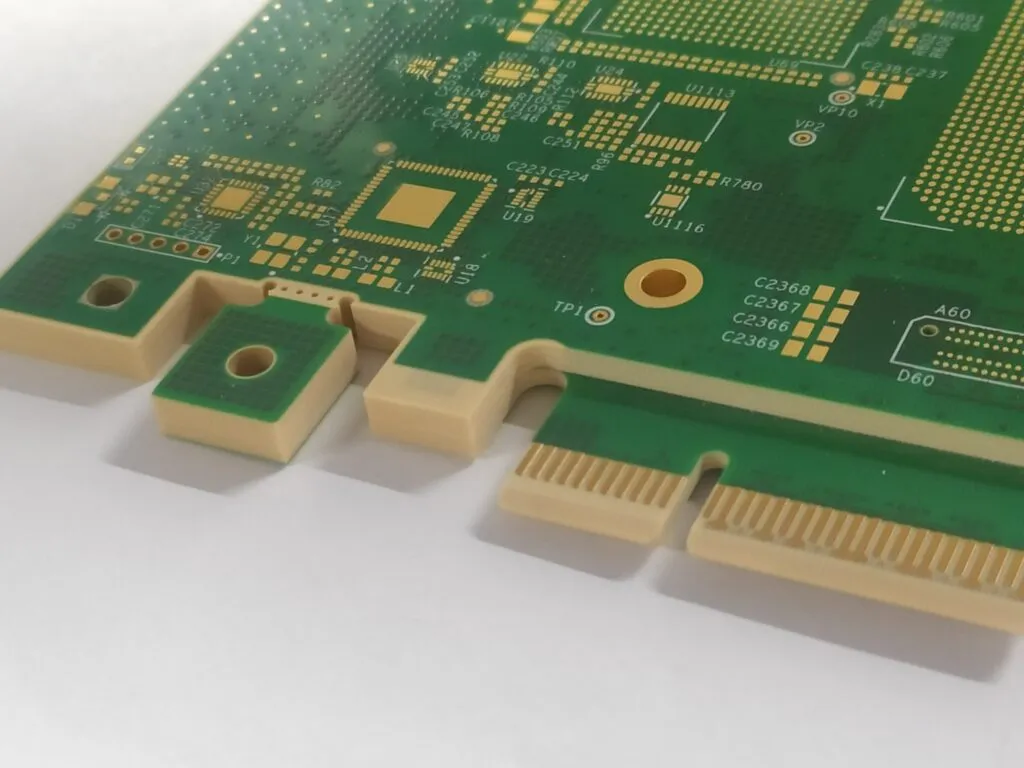
While standard FR4 is suitable for most applications, industries such as telecommunications, automotive electronics, aerospace, and RF products often require specialized materials with superior electrical and thermal performance. Higher-grade materials generally cost significantly more but provide better reliability and performance, so suppliers using different material brands or grades may offer very different prices for the same PCB design.
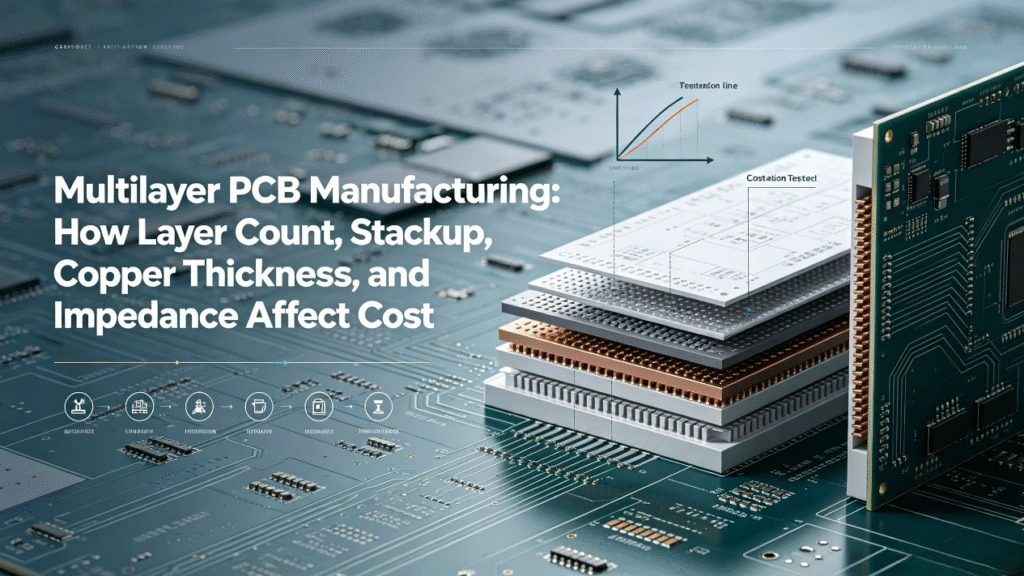
1.2 Layer Count
The number of layers directly impacts PCB manufacturing complexity. Typical PCB structures include:
• 2 Layer PCB
• 4 Layer PCB
• 6 Layer PCB
• 8 Layer PCB
• Multilayer PCB (10+ Layers)
As layer count increases:
• Manufacturing steps increase
• Lamination processes become more complex
• Yield rates decrease
• Quality control requirements become stricter
For example, an 8-layer PCB can cost several times more than a 2-layer board of the same size. This is one reason why multilayer PCB quotations often vary significantly among suppliers with different manufacturing capabilities.
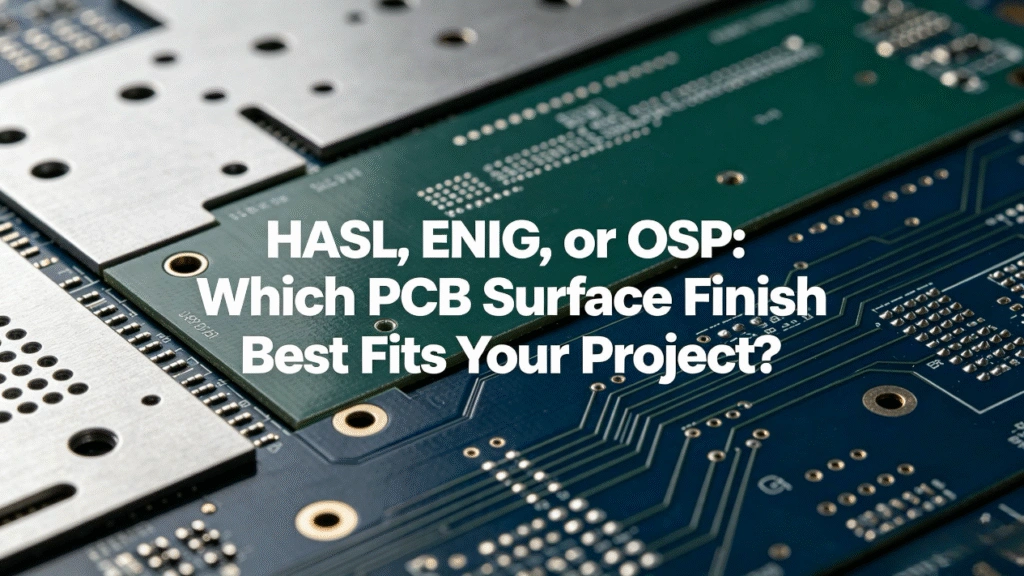
1.3 Surface Finish
Surface finish protects exposed copper and ensures solderability. Popular finishes include:
• HASL
• Lead-Free HASL
• ENIG (Immersion Gold)
• OSP
• Immersion Tin
• Immersion Silver
Among these options, ENIG is widely used in high-end electronic products because it offers:
• Excellent solderability
• Flat surface
• Better oxidation resistance
• Longer shelf life
However, ENIG is considerably more expensive than HASL. A supplier quoting ENIG and another quoting HASL may show a substantial price difference even when all other specifications remain the same.
1.4 Copper Thickness
Copper thickness affects both performance and manufacturing cost. Common copper weights include:
• 1 oz
• 2 oz
• 3 oz
• 4 oz and above
Thicker copper is often required in:
• Power supplies
• Industrial controls
• Inverters
• Automotive electronics
Heavy copper PCBs require additional processing steps and tighter manufacturing control. As copper thickness increases, production costs rise accordingly.
1.5 Quality Standards
Not all PCB suppliers operate under the same quality standards. Common certifications include:
• ISO 9001
• ISO 14001
• IATF 16949
• UL Certification
• RoHS Compliance
Suppliers serving automotive, medical, or industrial markets generally maintain stricter process controls and inspection procedures. These quality systems require significant investment in equipment, training, and management, which naturally affects pricing, while lower-cost suppliers may reduce inspection procedures to save costs, increasing the risk of defects and field failures.
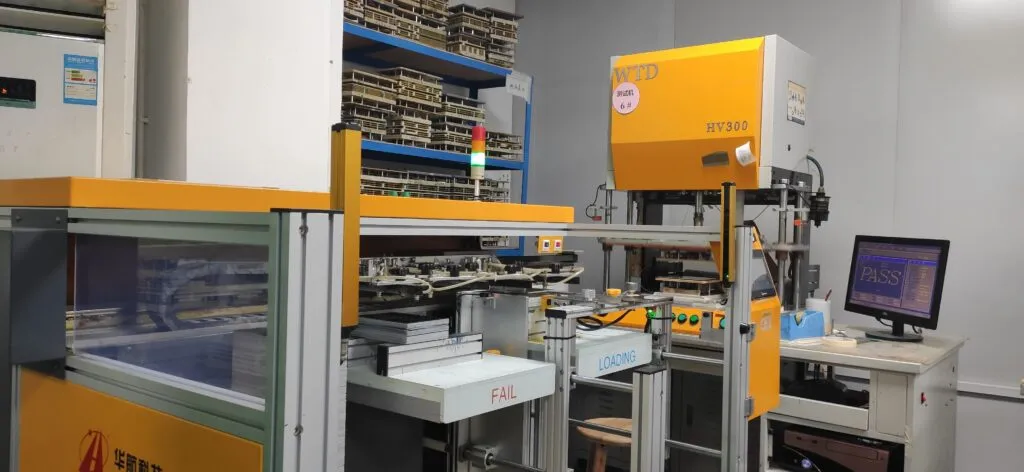
1.6 Testing Requirements
PCB testing is another important cost factor. Common testing methods include:
Flying Probe Testing
Suitable for:
• Prototype orders
• Small-volume production
Advantages:
• No fixture cost
• Flexible testing
Fixture Testing
Suitable for:
• Mass production
Advantages:
• Faster testing speed
• Lower cost per unit at high volume
Additional inspections may include:
• AOI (Automatic Optical Inspection)
• X-Ray Inspection
• Impedance Testing
• Cross Section Analysis
The more comprehensive the testing requirements, the higher the manufacturing cost. But it can significantly reduce the risk of defective PCBs entering subsequent assembly, cut down rework workload and ensure product quality.
1.7 Delivery Time
Lead time often has a significant impact on PCB pricing. Standard production schedules allow manufacturers to optimize production planning and improve operational efficiency, thereby controlling costs. Rush orders, however, will disrupt the regular production rhythm, driving up production and management costs, which will ultimately be reflected in higher quotations.
Urgent orders may require:
• Priority production
• Overtime operation
• Dedicated production slots
• Expedited logistics
As a result, fast-turn PCB services typically carry additional costs, so if your project schedule allows, choosing standard lead times can help reduce overall procurement expenses.
2. Why Extremely Low PCB Prices Can Be Risky
Everyone wants competitive pricing, but extremely low quotations should be carefully evaluated.
Some low-cost suppliers may reduce costs by:
• Using lower-grade materials
• Reducing inspection processes
• Relaxing manufacturing tolerances
• Outsourcing production without strict quality control
• Providing limited technical support
The initial savings may appear attractive, but potential consequences include:
• Production delays
• Assembly issues
• Product failures
• Increased warranty costs
• Customer dissatisfaction
In many cases, the lowest PCB price does not represent the lowest total cost of ownership.
3. How to Select the Right PCB Supplier
When evaluating PCB supplier, buyers should consider more than just price. Key evaluation criteria include:
3.1 Manufacturing Capability
Can the supplier handle:
• Multilayer PCBs
• HDI Boards
• Heavy Copper PCBs
• Impedance Control
• Special Materials
3.2 Quality Assurance
Check:
• Certifications
• Testing capabilities
• Process control systems
3.3 Delivery Performance
Ask about:
• On-time delivery rate
• Fast-turn capability
• Production capacity
3.4 Engineering Support
A reliable supplier should provide:
•DFM Review
•Technical Consultation
•Rapid Response
•Problem-Solving Support
3.5 Long-Term Reliability
A trustworthy supplier becomes a strategic partner rather than just a vendor.
PCB prices vary because manufacturing costs are influenced by multiple factors, including material selection, layer count, surface finish, copper thickness, quality standards, testing requirements, and delivery schedules. Instead of focusing solely on the lowest quotation, buyers should evaluate the overall value offered by a supplier, as the right PCB supplier helps ensure product quality, reliable delivery, and long-term business success.
At Jerico PCB, we provide high-quality PCB manufacturing solutions with competitive pricing, strict quality control, and responsive engineering support. Whether you need prototypes or volume production, our team is ready to support your project.
Contact us today to discuss your PCB requirements and receive a fast quotation.